Yunxiang Peng
University of Delaware. Newark, DE, USA.

University of Delaware
CIS Department
Newark, DE 19711
I am a Ph.D. candidate in the Computer & Information Science Department at the University of Delaware, advised by Prof. Xi Peng in the DeepREAL Lab. 🧠🤖
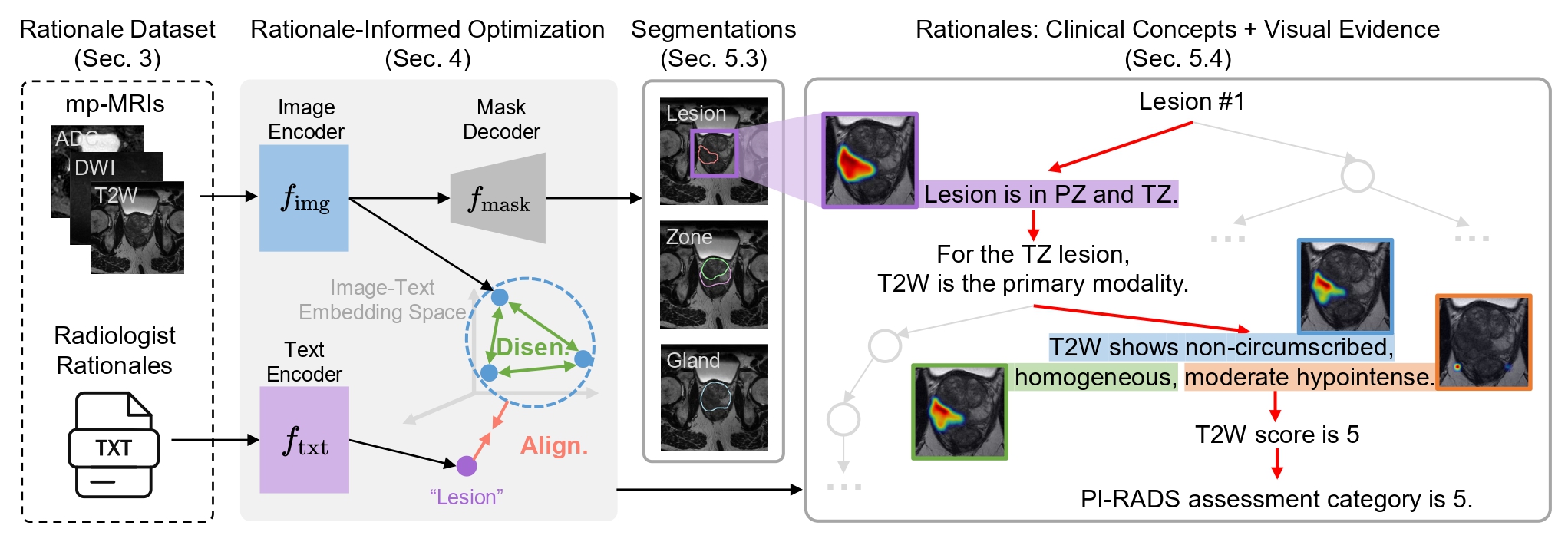
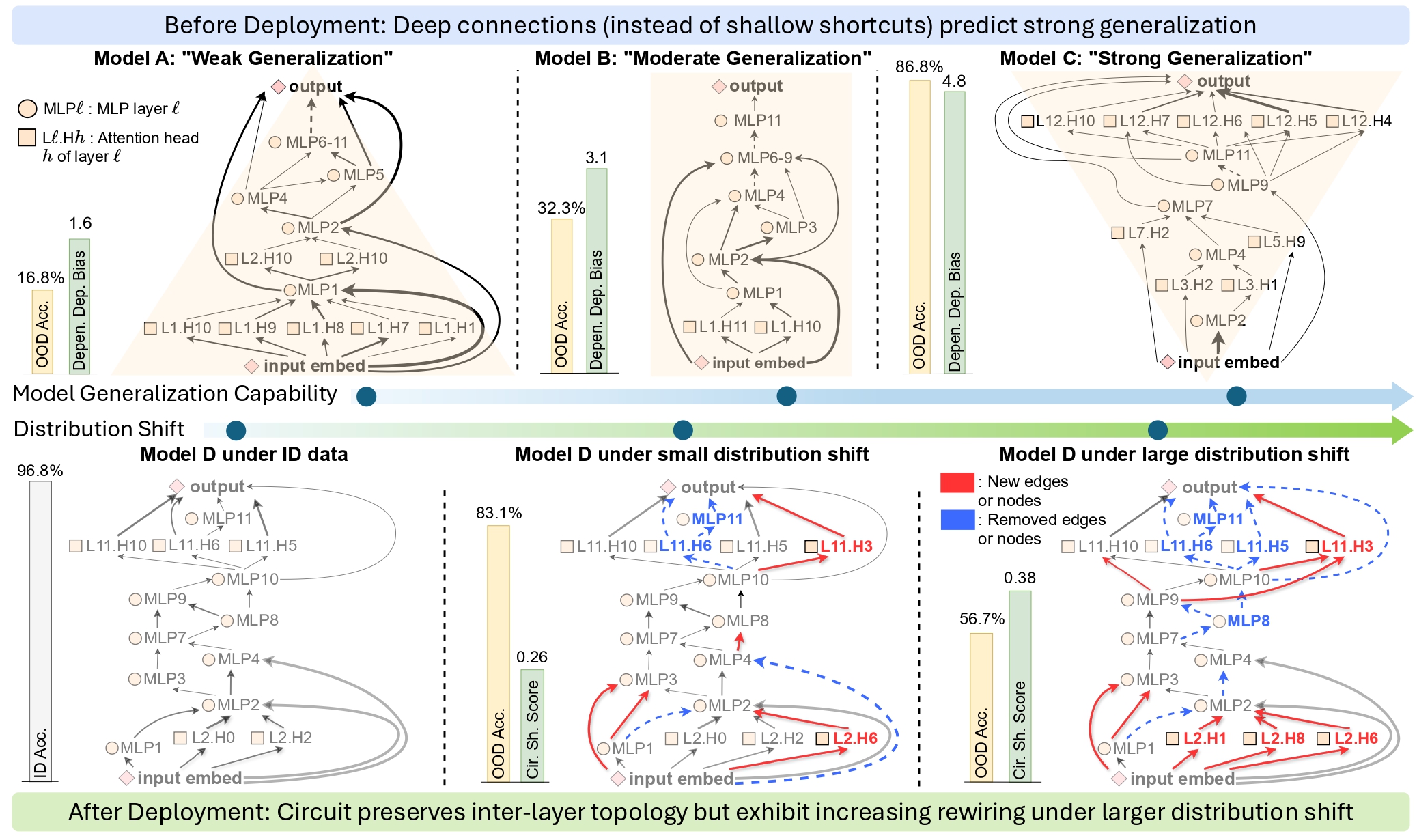
My research explores interpretability and generalization, with the goal of understanding how models work and how they generalize. More specifically, I am interested in:
- Interpretable Machine Learning
- Vision-Language Models
- Medical AI 🧬
- Out-of-distribution (OOD) Generalization 🌍
I have published at top-tier conferences such as ICML and CVPR.
🧭 Research Journey
I’m deeply curious about intelligence from both artificial and biological perspectives. My journey started at the intersection of neuroscience and AI, driven by the fundamental question:
What are the foundational principles that enable generalizable intelligence, in both machines and the human brain?
Previously, I was a Master’s student at Columbia University, where I conducted research in the LIINC Lab on Brain-Computer Interfaces (BCI) and foundation models for interpreting brain signals, advised by Prof. Paul Sajda. 🧠⚡
I also interned at the CHDI Foundation, where I developed segmentation foundation models to support the diagnosis of Huntington’s Disease — a progressive neurodegenerative disorder.
news
| May 10, 2025 | One paper was accepted to ICML 2025! |
|---|---|
| Feb 01, 2024 | Start my Ph.D. journey at DeepREAL Lab@UD, Newark. |
| Jan 11, 2024 | One paper was accepted by JOSS 2024. |
| Dec 21, 2023 | I obtained my M.S. degree at Columbia University. |
| Feb 16, 2023 | Start to do research at LIINC lab. |